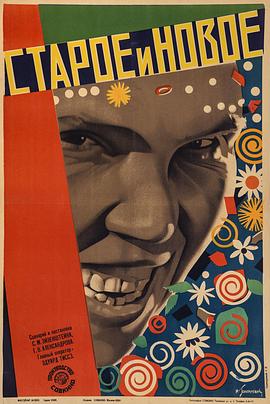
Due to some common interests between German and Russian aristocracy ( the Russians even had aristocrats in their past not to mention they had an Empress called Catherine the Great, as great as this German count's heiresses… ), it is not strange that this Teutonic count has understood and even enjoyed Herr S. M. Eisenstein's Staroye I Novoye. It is not very usual that for the aristocracy to enjoy Bolshevist films full of proletarian demands that put private property at risk or as it happens in this case, a film about the Communist Party's policy on the subject of the collectivization of the Soviet agriculture. Normally this would be perfect gibberish for this German count, but thanks to Herr Eisenstein 's greatness and directorial talent, the hardships of the heroine of the film, Dame Marfa ( Dame Marfa Lapkina ) breached even the thick aristocratic Schloss walls. And that's one of the first remarkable aspects of this oeuvre; in spite of the political subject of the film, the powerful images and lyricism ( astonishing and beautiful shot compositions ), especially during the first part of the movie, preserve the artistic merits entirely while serving a propaganda purpose. The second remarkable aspect of the film is the dichotomy between the old and new, the fight to improve the lot of Dame Marfa and her countrymen. There are many discussions because it is not easy even in Russia to change ancient and conservative customs. There are superb metaphors and social criticism ( illiteracy, bureaucracy, religiosity ) which perfectly fit the film, and last but not least, Staroye I Novoye, is a kind of archaic documentary about ancient customs established deeply in old Russia, those ones that our heroine must fight against. And there is also a lot about agriculture ( very enlightening for this German count), especially about harvesting and how to fatten Russian cows or pigs ( literally, no pun here… ). Herr Eisenstein had to bear during the last era of his film career, unbelievable censorship and mutilation of his work, as happens with Staroye I Novoye. The film was reedited and Eisenstein accused of sympathizing with Trostky's policies but fortunately the film was restored and showed by the German-frenchified t.v. channel ARTE, natürlich!, including an evocative music score by Herr Taras Bujewski, that fits superbly Herr Eisenstein primal artistic interests. And now, if you'll allow me, I must temporarily take my leave because this German Count must buy a tractor for one of his Teutonic heiress.
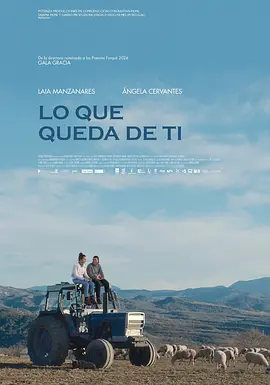
The film tells the story of young Sara who, after the sudden death of her father, gives up her future as a jazz pianist in New York to face her family's past as an organic livestock farmer in the Pyrenees. An exotic mix of music, rural su
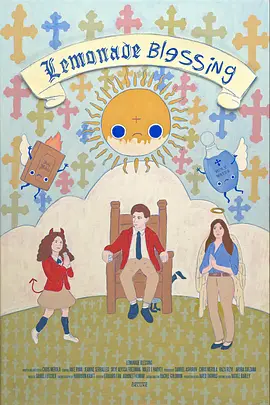
After a child of divorce is sent to a private Catholic school by his devout mother, his faith and morality are tested when he falls in love with a girl who requires him to commit sacrilegious acts to further their relationship.
An unflinching portrait of Dean Potter, the influential and controversial climber, base jumper and highline walker, who achieves jaw-dropping feats while battling his inner demons.