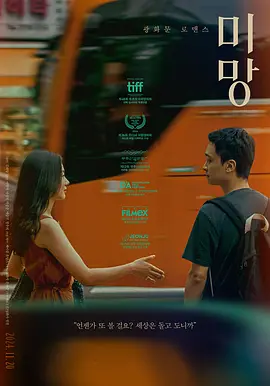
More than once, the protagonists in Mimang wonder where they are and where they’re going—it is a concrete, geographical question born from walking around the streets of Seoul, but as the film progresses, that urban journey also proves to be an existential one. We accompany the characters in some stretches of their path—many years separate each of the episodes that make up the film, and that distance reveals changes through what remains. This is not a film about earthquakes, but about small transformations, and the marks of time can be seen not only in the actors’ bodies, but also in that other omnipresent protagonist that is Seoul, whose vitality invades every shot. Like others before him (it’s inevitable to think about Truffaut or Linklater), here, Kim Taeyang reminds us that cinema is the best time machine that has been invented so far. 源自:https://www.mardelplatafilmfest.com/38/en/pelicula/mimang
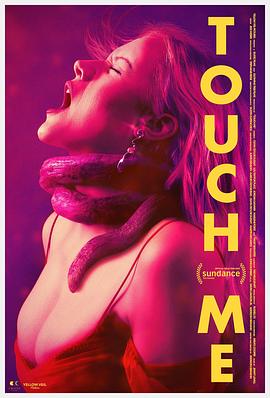
My name is Sofia. I’m 14 years old and I’m lost. My mother vanished inside the boarding school where she works, and my father just tried to commit suicide under strange circumstances. Next to him, an Ouija board. I used it during a terrifying seance, and
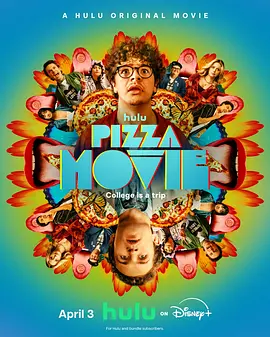
The story is said to follow a pair of loner college undergrads, Jack and Montgomery, who order a take-out pie, but accidentally take a homemade drug that turns a two-floor journey downstairs into a “mind-bendingly transformative quest.”
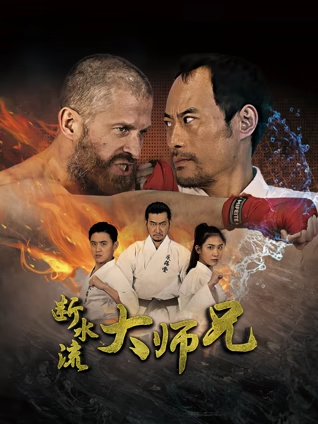
On the verge of losing everything, veteran sprinter Gu Young is getting one last opportunity at redemption, including a chance to re-kindle the love of his life.