亞洲🌙 亞洲🌙
遊客
海报背景
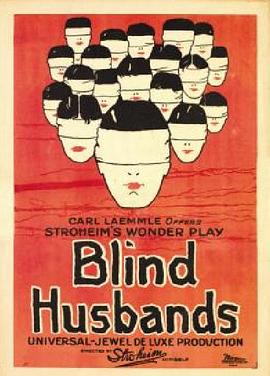
盲目的丈夫们海报图片

盲目的丈夫们

备注 :HD中字
更新 :2025-07-05 11:54:30
1919·美国·剧情 爱情 剧情片 电影 ·1919-12-07上映·英语·
立即播放
收藏
3.0
网友评分
  • 很差
  • 较差
  • 还行
  • 推荐
  • 力荐
8.0 520次评分
  • 很差
  • 较差
  • 还行
  • 推荐
  • 力荐
扫描观看

扫描一扫app播放

Two differences between this Austrian version and the generally available American version are immediately obvious they differ both in their length and in the language of the intertitles. The American version is only 1,883 metres long - at 18 frames per second a difference of some 7 minutes to the Austrian version with 2,045 metres. Whereas we originally presumed only a negligible difference, resulting from the varying length of the intertitles, a direct comparison has nevertheless shown that the Austrian version differs from the American version both in the montage and in the duration of individual scenes. Yet how could it happen that the later regional distribution of a canonical US silent film was longer than the original version  The prevalent American version of Blind Husbands does not correspond to the version shown at the premiere of 1919. This little-known fact was already published by Richard Koszarski in 1983. The film was re-released by Universal Pictures in 1924, in a version that was 1,365 feet (416 metres) shorter. At 18 frames per second, this amounts to a time difference of 20 minutes! Titles were altered, snippets of action removed and at least one major scene taken out entirely, where von Steuben and Margaret visit a small local chapel. (Koszarski)  From the present state of research we can assume that all the known American copies of the film derive from this shortened re-release version, a copy of which Universal donated to the Museum of Modern Art in 1941. According to Koszarski the original negative of the film was destroyed sometime between 1956 and 1961 and has therefore been irretrievably lost. This information casts an interesting light on the Austrian version, which can be dated to the period between the summer of 1921 and the winter of 1922. Furthermore, the copy is some 200 metres longer than the US version of 1924. If one follows the details given by Richard Koszarski and Arthur Lennig, this means that, as far as both its date and its length are concerned, the Austrian version lies almost exactly in the middle between the (lost) version shown at the premiere and the re-released one.A large part of the additional length of the film can be traced to cuts that were made to the 1924 version in almost every shot. Koszarski describes how the beginning and the end of scenes were trimmed, in order to speed up the film. However, more exciting was the discovery that the Austrian version contains shots that are missing in the American one - shotscountershots, intertitles - and furthermore shows differences in its montage (i.e. the placing of the individual shots within a sequence). All this indicates that Die Rache der Berge constitutes the oldest and most completely preserved material of the film.
展开
无模块

资源列表

排序

相关明星

相关影片

更多
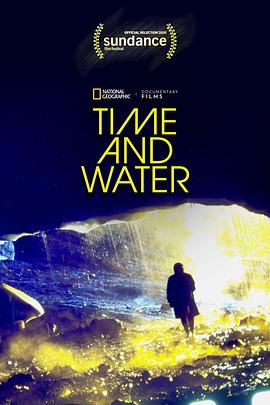
逝水与流年
安德烈·斯奈·马格纳森,Árni Kjartansson,赫迪斯·斯特芬斯多蒂尔,Hulda Filippusdóttir
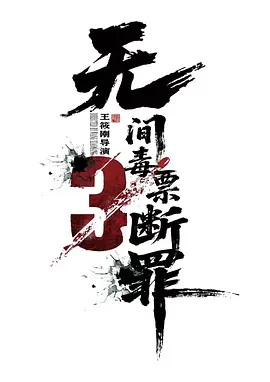
毒战行动
断罪 / 无间毒票3:断罪 / 无间毒票:断罪
内华达之瑰
谜航(台),英伦转生号(港),内华达玫瑰
陵水之恋
该片是一部聚焦陵水黎族文化传承与滨海旅游资源的现实题材电影,以“山海相恋·文化铸魂”为核心主题,通过细腻的叙事展现陵水黎族织锦、疍家渔歌等非遗文化魅力,同时呈现分界洲岛、清水湾等标志性旅游景观,展现陵水自然与人文交融的独特魅力。
阿颖
九十年代末苗族村落,女孩阿颖反抗包办婚姻出逃,和心上人三宝相恋,却被继父强迫许配给表弟浩楠。订婚当日,阿颖在三宝妹妹阿布帮助下,和三宝逃离村庄到城里谋生。多年后二人携孩子返乡,继父悔悟,重病浩楠道歉,最终二人在村中成婚,安稳度日。
红色珍珠
朴真熙,李甫姫,李元宗,韩振熙,李应敬,李代延,金惠仙,金宣敬,이정용,채빈
三个倒霉蛋
约翰·亚伯拉罕,亚尼·卡普,伊利亚娜·狄克鲁兹,Kriti Kharbanda,玉尔娃希.拉吾塔拉,杰米-李·比彻,阿尔沙德·瓦尔西,Sonal Simon,马诺伊·阿南德,沙鲁巴·舒克拉,丹尼尔·厄根,普尔吉·萨姆拉特,Vaunisha Kapoor,Nina Kumar,Richie Lawrie
抗癌的我
活个痛快(台) / 风雨同路两支公(港) / 我得癌了 / 我与癌症 / 对半开 / 一半一半 / I'm with Cancer
一出大戏
抓狂演训班(台) 决胜 The Big Hit
死亡格斗
成功的代价 / The Price of Success / 死亡決戰(台)
寻爱俄罗斯
Gerald Anderson,卡凯·鲍蒂斯塔,Elena Kozlova
我不是酒神
南北酒神到位
别惹乔尼
杨思辰,杨不悔,曾山 周勇 腾飞 高军
管风琴之梦
Jeu d'orgue 夺冠之路:管风琴大赛(台)
  • 片名:盲目的丈夫们
  • 状态:HD中字
  • 主演:萨姆·德·格拉斯 Francelia Billington 埃里克·冯·施特罗海姆 Fay Holderness Richard Cumming 
  • 导演:埃里克·冯·施特罗海姆 
  • 年份:1919
  • 地区:美国
  • 类型:剧情 爱情 剧情片 电影 
  • 频道:内详
  • 上映:1919-12-07
  • 语言:英语
  • 更新:2025-07-05 11:54
  • 简介:Two differences between this Austrian version and the generally available American version are immediately obvious they differ both in their length and in the language of the intertitles. The American version is only 1,883 metres long - at 18 frames per second a difference of some 7 minutes to the Austrian version with 2,045 metres. Whereas we originally presumed only a negligible difference, resulting from the varying length of the intertitles, a direct comparison has nevertheless shown that the Austrian version differs from the American version both in the montage and in the duration of individual scenes. Yet how could it happen that the later regional distribution of a canonical US silent film was longer than the original version  The prevalent American version of Blind Husbands does not correspond to the version shown at the premiere of 1919. This little-known fact was already published by Richard Koszarski in 1983. The film was re-released by Universal Pictures in 1924, in a version that was 1,365 feet (416 metres) shorter. At 18 frames per second, this amounts to a time difference of 20 minutes! Titles were altered, snippets of action removed and at least one major scene taken out entirely, where von Steuben and Margaret visit a small local chapel. (Koszarski)  From the present state of research we can assume that all the known American copies of the film derive from this shortened re-release version, a copy of which Universal donated to the Museum of Modern Art in 1941. According to Koszarski the original negative of the film was destroyed sometime between 1956 and 1961 and has therefore been irretrievably lost. This information casts an interesting light on the Austrian version, which can be dated to the period between the summer of 1921 and the winter of 1922. Furthermore, the copy is some 200 metres longer than the US version of 1924. If one follows the details given by Richard Koszarski and Arthur Lennig, this means that, as far as both its date and its length are concerned, the Austrian version lies almost exactly in the middle between the (lost) version shown at the premiere and the re-released one.A large part of the additional length of the film can be traced to cuts that were made to the 1924 version in almost every shot. Koszarski describes how the beginning and the end of scenes were trimmed, in order to speed up the film. However, more exciting was the discovery that the Austrian version contains shots that are missing in the American one - shotscountershots, intertitles - and furthermore shows differences in its montage (i.e. the placing of the individual shots within a sequence). All this indicates that Die Rache der Berge constitutes the oldest and most completely preserved material of the film.
视频
搜索历史
删除
热门搜索
本地记录 云端记录
登录账号